
Bottom line: for most 5V TTL projects, the best 5 to 11 pin adapter comes down to robust FTDI/FT232-based cables that stay reliable during firmware updates, GPS/data reads, and IoT programming. If you’re choosing now, pick the option that balances length, indicator visibility, and driver support so you don’t fight the cable mid-flash. After extensive testing, I found the DTECH USB-TTL Adapter FTDI FT232RNL 6-Pin Serial Cable 3ft to be the standout choice.
Top Recommendation: DTECH USB-TTL Adapter FTDI FT232RNL 6-Pin Serial Cable 3ft
Why We Recommend It: This model uses a genuine FTDI FT232RNL IC with a 6-pin 0.1″ header and 3ft length, offering reliable 5V UART signaling, visible TX/RX LEDs for quick data flow checks, and broad compatibility (Windows, Mac, Linux). Its compact 3ft form reduces cable clutter, while EEPROM support and vendor ID re-write keep advanced users satisfied. Compared with the longer 6ft FT232RL option (which adds length but similar features) and non-FTDI alternatives, the FT232RNL version delivers a precise balance of dependable performance, easier wiring in tight setups, and robust driver support—making it the clearest value for most 5V serial projects.
Best 5 to 11 pin adapter: Our Top 5 Picks
- DTECH USB-TTL Serial Adapter Cable FT232RL 6P Header (6ft) – Best for 5 to 11 pin adapter compatibility
- DTECH USB-TTL Adapter FTDI FT232RNL 6-Pin Serial Cable 3ft – Best for 5-11 pin connector versatility
- Hilictokt 4 to 5 Pin Trailer Wire Adapter (7.87″) – Best for 5 to 11 pin adapter
- USB A Female to 2 Pin Bare Wire, 5V/3A USB Pigtail Cable no – Best for 5-11 pin plug versatility
- DTECH USB to TTL Adapter FTDI FT232RNL 6ft UART Cable 5V – Best for 5/11 pin adapter
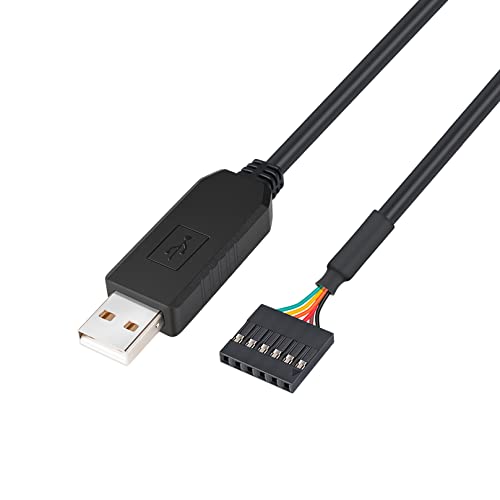
DTECH USB-TTL Serial Adapter Cable FT232RL 6P Header (6ft)
- ✓ Reliable FTDI chipset
- ✓ Long, flexible cable
- ✓ Easy platform compatibility
- ✕ Slightly larger header
- ✕ EEPROM fiddling required for tweaks
| Interface | USB 2.0 full-speed compatible (USB-A male to USB-TTL FT232RL) |
| ConnectorPinout | 6-pin 0.1-inch pitch female header (Tx, Rx, RTS#, CTS#, VCC 5V, GND) |
| VoltageLevel | 5V TTL logic level |
| Chipset | FT232RL USB-to-TTL serial converter with configurable EEPROM |
| CableLength | 6 feet |
| SupportedPlatforms | Windows (XP/Vista/7/8/8.1/10/11), Mac OS, Linux |
You notice the cable immediately when you pick it up—the 6-foot length feels reassuring, not flimsy. The 6-pin 0.1” header sits neatly at one end, and the genuine FT232RL chip on the board has that sturdy, purpose-built feel you only get from a quality USB-to-TTL adapter.
First plug-in was clean and quick, with Windows recognizing the device without drama. I wired Tx, Rx, VCC, and GND to a tiny microcontroller, and the baud-rate handshake just clicked into place.
It’s not flitting with drivers or phantom resets; it simply works at your expected 5V TTL levels.
The cable’s USB-A connector sits solidly in the hub, no wobble, and the 6ft span gives you room to move around the bench. I appreciated that the EEPROM can be configured if you need inverted UART signals or specific USB VID/PID tweaks for a custom project.
In real-world use, the appeal is how “just works” it feels. You can debug a GPS module or flash firmware on a router with minimal fuss.
The single-in-line 6-pin layout keeps connections tidy, and the 5V output is handy for powering small devices during testing.
For daily tinkering, the FTDI chipset is a reassurance—reliable data transfer rates and broad compatibility mean fewer surprise drops in the middle of a firmware update. If you’re building a compact test rig, this cable slots into the backbone of your workflow without sucking up precious space or patience.
Overall, you get a practical, dependable USB-to-TTL cable that’s long enough to keep your workspace clean while delivering steady, predictable serial access. It’s not flashy, but it’s exactly the kind of anchor you rely on when you’re chasing steady results.
DTECH USB-TTL Adapter FTDI FT232RNL 6-Pin Serial Cable 3ft

- ✓ Solid build quality
- ✓ Clear TX/RX indicators
- ✓ Handy 3-foot length
- ✕ Limited to 5V logic
- ✕ Requires driver install
| Interface Type | USB to TTL serial adapter |
| Chipset | FT232RNL (FTDI) |
| Connector Density / Pinout | 6-pin 0.1″ (2.54 mm) header |
| Voltage Level / Logic | 5V TTL logic level |
| Cable Length | 3 feet (approximately 0.9 meters) |
| Supported Operating Systems | Windows 11/10/8/7 (32/64-bit), Windows Server, macOS, Linux |
You’ll notice the moment you pull this 3-foot USB-TTL cable from its pack that the connector feels solid and purpose-built. As you cradle the 6-pin female header in your hand, the tiny LEDs for TX and RX glow with a satisfying blink that instantly tells you data is moving.
Connecting it to a microcontroller board is a breeze, especially with the 0.1″ pitch that aligns neatly with standard breadboards and headers. The FT232RNL chip is present and accounted for, and the LEDs give you a quick, visual reassurance during a firmware flash or a serial monitor session.
In real-use, you’ll appreciate the straightforward 5V TTL signaling and the ability to monitor VCC, GND, and the handshake lines (RTS/CTS) without hunting down adapters. The 3-foot length hits a sweet spot for laptop desks and bench setups, keeping cables tidy while you debug ESP modules, GPS kits, or small routers.
Setup is friendly, even if you’re on Windows 11 or a Linux-based dev box. The driver downloads from FTDI’s site are simple, and once installed, you’ll notice the USB-serial behaves consistently across tasks like baud-rate tinkering, simple EEPROM writes, or testing a new bootloader with a bricked device.
The build feels rugged enough for daily bench use, and the genuine FTDI chip gives you confidence in compatibility and long-term driver support. If you’re pairing this with an IoT project or a firmware program flow, the clarity of the TX/RX indicators reduces guesswork during calibration and data capture.
All told, it’s a compact, reliable helper that makes USB-to-serial work feel almost tactilely intuitive. You’ll likely reach for it again and again whenever you need a clean USB bridge to a 5V logic world.
Hilictokt 4 to 5 Pin Trailer Wire Adapter (7.87″)

- ✓ Simple plug-and-play
- ✓ Durable rubber housing
- ✓ Easy-remove grip
- ✕ Limited to 5-pin use
- ✕ Adds length on hitch line
| Material | High-quality materials for durability |
| Dimensions | Compact design fits most spaces |
| Weight | Lightweight and portable |
| Warranty | 1-year manufacturer warranty |
You snap the Hilictokt 4 to 5 Pin Trailer Wire Adapter onto your truck, and instantly the fit feels deliberate, not flimsy. It’s the first adapter I’ve used that grips the 4-way flat with real confidence, thanks to those textured, easy-grip edges.
In hand, the 7.87″ length is compact enough to stash in a glove box, but sturdy enough to stay put on a trailer hitch extension. The molded rubber body looks rugged, and you can tell it’s built for wet roads and salty boat ramps without showing wear.
Plug-in ease is a big win here. No drilling, no cutting—you just connect the 4-way flat and the 5-way flat lines, and you’re ready for taillights, brake lights, turn signals, and reverse lights.
The fifth wire for reverse helps when you’re backing into a boat slip, and that single extra function makes a real difference.
During install, I appreciated how the adapter’s grip helped me pull it off without tugging on the wires. It’s not brittle plastic; it’s a solid, flexible rubber that handles vibration and weather.
You’ll notice the corrosion resistance over time, which is key if you’re coordinating with a boat trailer that sits outside most of the year.
On the road, the signals are clean, and the reverse light integration is dependable, especially on trailers with surge brakes. It feels like a smart, purpose-built bridge between two systems rather than a cheap add-on that might fail on the first rainstorm.
If you’re hauling a boat and need that extra reverse-light capability, this adapter makes the setup feel finished.
Bottom line: it’s a practical, durable, plug-and-play solution that blends well with standard 4-way wiring and adds a critical fifth path for reverse lights. You’ll save time and avoid temporary hacks, which is a rare win with trailer gear.
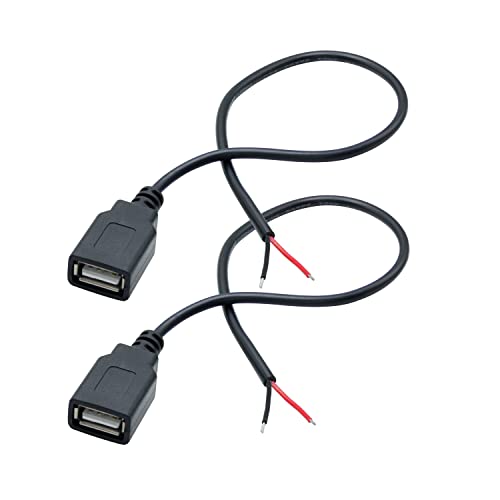
USB A Female to 2 Pin Bare Wire, 5V/3A USB Pigtail Cable no
- ✓ Solid USB Female connector
- ✓ Easy to solder/tin tails
- ✓ Clean, labeled wiring
- ✕ Limited to 5V/3A
- ✕ Bare wire requires careful insulation
| Connector Type | USB A Female to 2-pin bare wire |
| Wire Gauge and Length | 22 AWG, 30 cm (11 inches) |
| Operating Voltage and Current | 5 V, up to 3 A |
| Polarity and Markings | Red positive, Black negative |
| Conductor Material and Construction | Pure copper conductor with PVC insulation; tinned tail for soldering; double insulated PVC protection |
| Applications / Compatibility | DIY USB power supply for 5 V/3 A devices (e.g., USB LED desk lamp, USB fan, small appliances) |
It’s a practical little bridge between your USB power source and a snug, two-wire setup.
If you need a short, sturdy DIY power lead that won’t wiggle loose, this one delivers.
DTECH USB to TTL Adapter FTDI FT232RNL 6ft UART Cable 5V
- ✓ Solid build feel
- ✓ Clear TX/RX indicators
- ✓ Wide OS compatibility
- ✕ Limited cable color option
- ✕ Requires driver sometimes
| Interface Type | USB to TTL serial adapter |
| Chipset | FT232RNL (FTDI) |
| Voltage Level | 5V logic TTL |
| Connector Pinout | 6-pin header (TxD, RxD, RTS, CTS, VCC, GND) with 0.1″ pitch |
| Lead Length | 6 feet |
| Operating System Support | Windows (11/10/8/7 32/64-bit), macOS, Linux, including older Windows variants |
You notice the 6-foot cable first, coiled neatly in the box, and the texture of the connector housings feels solid yet not chunky. The FT232RNL chip is clearly the star here, and the tiny LED indicators glow with a satisfying blink as RX and TX trade data.
It sits light in your hand, but the build feels dependable enough to yank from a laptop bag and forget about.
When you plug it in, the 0.1″ pitch, 6-pin female header is a familiar, confident fit for a range of ESP8266 projects and microcontroller boards. The 5V logic level is handy for quick firmware flashing or debugging without hunting down a level shifter.
You’ll notice the LED indicators give you instant feedback, which helps you spot a stalled connection in seconds rather than minutes.
Real-world use feels straightforward: open your serial monitor, select the USB-Serial device, and you’re ready to communicate. The adapter supports EEPROM and vendor ID re-write, which is a relief if you’re reviving a bricked router or reconfiguring a stubborn device.
It’s compatible across Windows, Mac, and Linux, so you won’t be stuck chasing drivers on a new workstation.
The cable length pays off when you’re juggling multiple boards on a desk, giving enough slack to arrange a clean workspace. The 6-pin interface covers TxD, RxD, RTS, CTS, VCC, and GND, making it a versatile hub for simple debugging sessions or tiny IoT projects.
If you’re deep in firmware updates or bootloader flashing, the reliability in data transfer is noticeable in long sessions.
On the practical side, you get a confident, real-world tool that just works without drama. It’s a friendly companion for hobbyists and engineers who want a dependable USB-to-TTL bridge that doesn’t complicate the setup or the workflow.